Introduction
In 2026, a big part of creating an ideal site is Search Engine Optimization (SEO). Everyone from the casual blogger to professional brand owner, online creator wants their website on Googles first page since more search traffic always means more web visitors, higher click-through rates and ultimately greater opportunity for monetization.
Information
A lot of beginners just build their website and submit articles on a regular basis but they never get any traffic because they do not know the meaning of SEO correctly. Google uses its own algorithm to rank through quality level, user experience for speed and relevance.
The bright side is, adhering to a technique constantly makes SEO very easy. With the right SEO practices, even beginner levels can increase website ranking and organic traffic.
This article will show you step by step to SEO your website, rank higher on Google and get more free organics traffic in 2026.
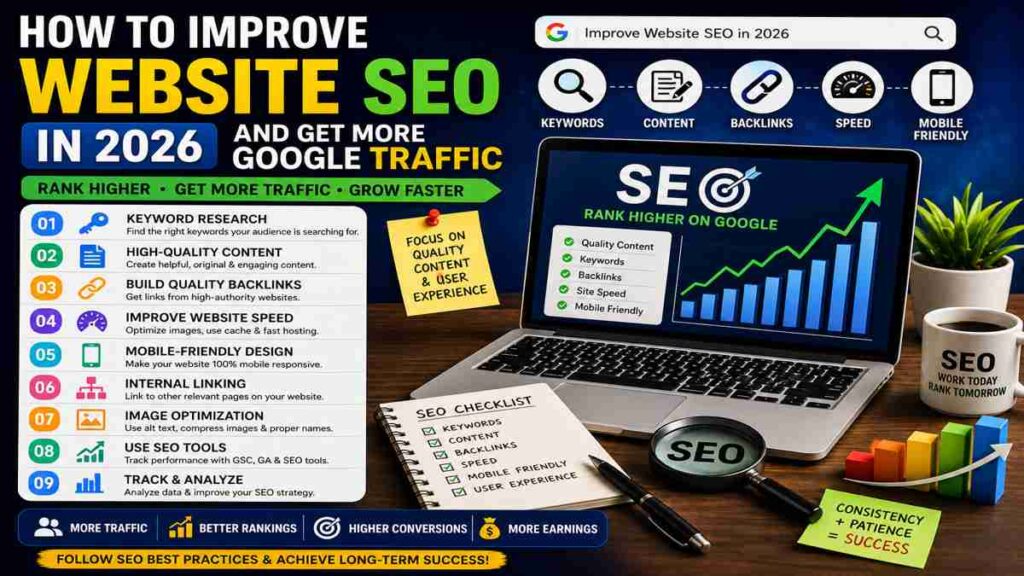
What is SEO?
SEO or Search Engine Optimization.
Its the making your website better so that search engines such as google can make more sense of what is on it and rank it higher in search results.
Good SEO helps websites get:
- More traffic
- Better visibility
- Higher rankings
- More clicks
- More earnings
Whether you are a blog, business website or an affiliate website as well as online store SEO is very important.
2026 and the Importance of SEO
Every year the internet is getting more competitive. There are millions of new websites published every day thus Google is always looking for the best experience and information at a high standard out there.
Benefits of SEO
Free Organic Traffic
SEO is what gets websites free traffic from Google.
Long-Term Results
An article that is well-optimized can continue to generate traffic for several years.
Better User Experience
SEO increases website speed and improves its navigation flow.
Increased Earnings
More traffic means more income from AdSense and affiliate sales.
Brand Authority
Websites that rank highly appear to be more trustworthy for users.
How Google Ranks Websites
Google employs numerous components to determine which websites surface in search results.
Important Ranking Factors
- Content quality
- Keywords
- Website speed
- Mobile optimization
- Backlinks
- User experience
- Internal linking
So it becomes vital to understand these factors if we want SEO success.
Step 1: Select the Most Appropriate Keywords
What Are Keywords?
Keywords are the words and phrases that users type into Google to make a search.
Example:
“Best AI tools”
“How to start blogging”
“SEO tips for beginners”
Why Keywords Matter
Keywords are what help Google know the subject of your content.
Types of Keywords
Short Keywords Very competitive.
Example:
- SEO
- Blogging
- Long-Tail Keywords
Less competition so easier to rank.
Example:
How to SEO Your Website in 2026
For beginners, long-tail key phrases are more suitable.
Step 2 — Create High Quality Content
Why Content Matters
It helps to rank helpful and original content more highly on Google.
Features of Good Content
- Easy to read
- Detailed
- Informative
Well-structured
- Original
- Ideal Article Length
Long-form content usually performs better.
Recommended:
- 1200–2000 words
- Add Value
Moreover, your content needs to provide solutions and answer queries of the users.
Step 3: Use Proper Headings
Why Headings Are Important
Headings improve readability and SEO.
Heading Structure use :
- H1 for title
- H2 for main sections
- H3 for sub-sections
Headings structure like a map for Google to easily follow.
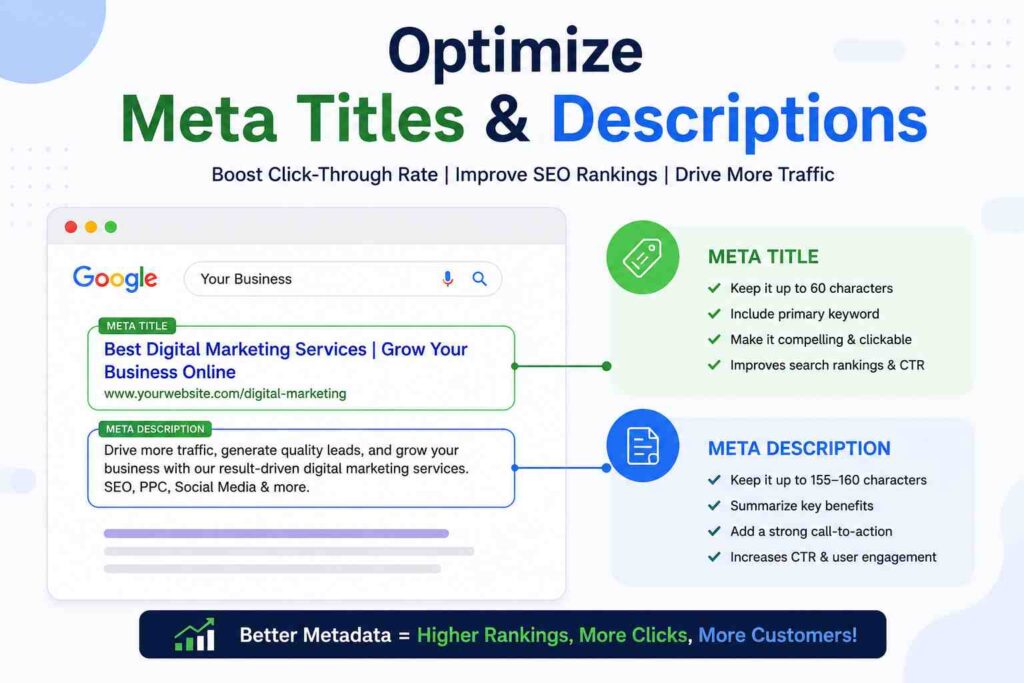
Step 4: Optimize Meta Titles and Descriptions
What is a Meta Title?
It is shown as the title in Google search results.
Tips for Better Titles
- Use keywords naturally
- Keep titles clear
- Make titles attractive
Example:
October 2026: How to Optimize Your Site for Better SEO
What is Meta Description?
A sentence that summarizes your article and appears on Google.
Why It Matters
Great meta descriptions help to increase CTR.
Step 5: Optimize website loading speed
Why Speed Matters
Slow websites drive users to bounce and drop in rank.
Ways to Improve Speed
Compress Images
Large images slow down websites.
Use Fast Hosting
Good hosting improves performance.
Use Cache Plugins
Caching improves loading speed.
Remove Unnecessary Plugins
Having too many plugins slow down the website performance.
Speed is essential because fast websites deliver a better user experience.
Step 6: Make Your Site Mobile Friendly
Why Mobile SEO Matters
Most users browse on the websites using smartphone.
Google now prioritizes mobile-first indexing.
Mobile experience improvement techniques
- Use responsive themes
- Improve mobile speed
- Use readable fonts
- Avoid cluttered layouts
Mobile-friendly websites rank higher.
Step 7: Add Internal Links
What Are Internal Links?
Internal links are when one article directs another article on your site.
Benefits
- Improves user navigation
- Increases page views
- Helps Google crawl content
Example:
Connect SEO articles to blogging or traffic-related content
Step 8: Build Backlinks
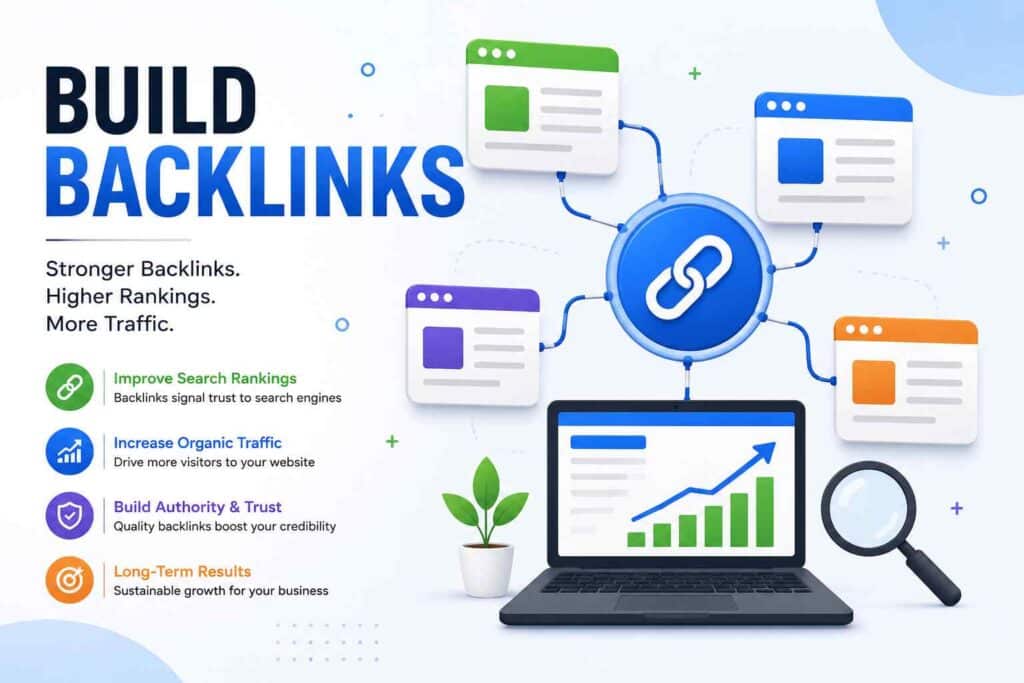
What Are Backlinks?
Backlinks are those links that lead from another website to your site.
Why Backlinks Matter
Backlinks are a signal of trust for Google.
Ways to Build Backlinks
Guest Posting
Write articles for other blogs.
Social Sharing
Share articles on social media.
Quora Answers
Reply to queries and seamlessly insert website links.
Forum Participation
Join relevant discussions online.
Quality backlinks improve rankings significantly.
Step 9: Image optimization in SEO
Why Image SEO Matters
Images enhance user experiens and also affect search visibility.
Image SEO Tips:
Compress Images
Smaller images improve speed.
Add ALT text
ALT text is used by Google to help it decipher images.
Example ALT Text:
“Website SEO optimization tips infographic”
Use Relevant File Names Instead of:
IMG123.png
Use:
website-seo-tips.png
Step 10: Use SEO Tools
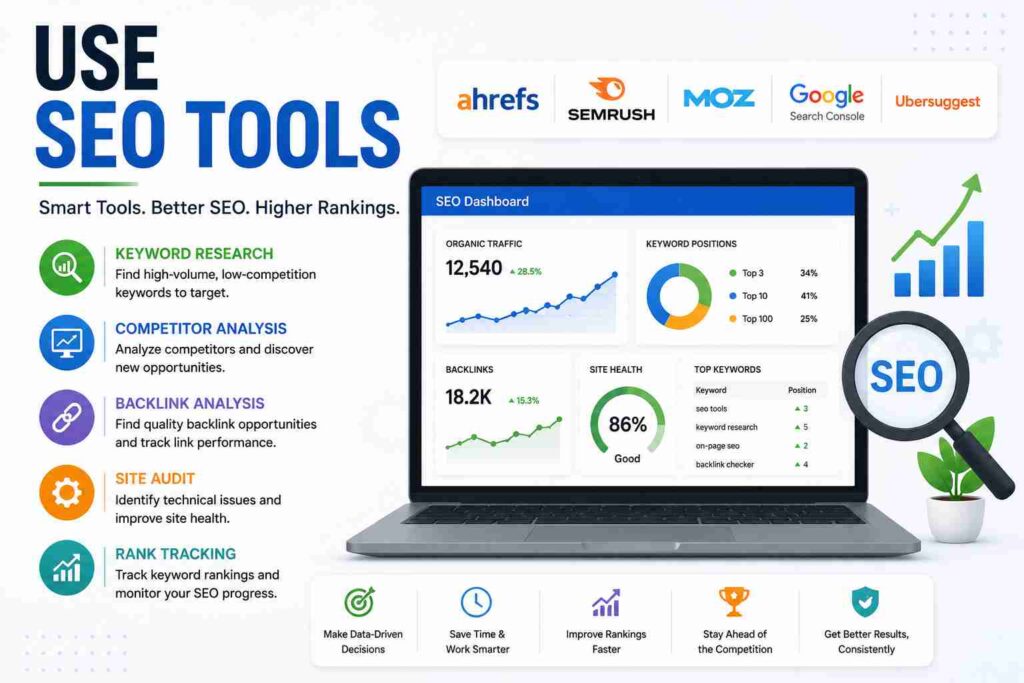
Best Free SEO Tools:
Google Search Console
Helps monitor website performance.
Google Analytics
Tracks website visitors and behavior.
ChatGPT
Helps generate SEO content ideas.
Canva
Good to create blog images for SEO purposes.
SEO tools simplify optimization work.
Here are the SEO mistakes in some details #Mistakes On SEO From Beginner
Keyword Stuffing
Using keywords excessively harms rankings.
Copying Content
Duplicate content reduces trust.
Ignoring Mobile Users
A bad mobile experience hurts SEO badly.
Slow Website Speed
Visitors leave slow websites quickly.
Poor Content Quality
Oftentimes, thin or low-quality info will not rank high.
How Long Does SEO Take?
SEO is a long-term process.
Typical SEO Timeline
1–2 months: indexing phase
3–6 months: traffic growth
6–12 months: stronger rankings
Patience and consistency are important.
Best SEO Strategies for Newbies
Publish Regularly
Consistency improves authority.
Focus on Long-Tail Keywords
Lower competition means easier rankings.
Improve User Experience
The visitor will stay on the page much longer if it is easy to know where you have navigated.
Create Helpful Content
Google rewards useful information.
Future of SEO in 2026
With the evolution of user behavior and AI, SEO is changing.
Important SEO Trends:
AI Search
AI-generated search results are growing.
Voice Search Optimization
People increasingly use voice assistants.
Final Thoughts
In 2026, SEO will be one of the most proven methods for maintaining and growing any type of website. Even if you are a beginner and just recently started out your blog, by making sure to run keyword research effectively coupled with writing high-quality content spread across the web—Google will allow sites like yours (even brand new low DA ones) start rank for wanting terms when they implementation mobile optimization back links share once ranked one in order of being able not we publish fresh published posts consistently.
Patience and consistency are the keys to success in SEO. The primary reason most websites fail is that owners give up at the first roadblock or overlook crucial SEO methods.
If you keep honing your content and implement modern SEO practices, Your Site can experience long-term growth and passive income from natural traffic.
Although SEO requires some time, the long-term payoffs are well worth it.