Two years ago the idea of having multiple income streams felt completely out of reach for me.
I was a single-income person doing freelance content writing. When a client ghosted me after three months of consistent work — taking about 60% of my monthly income with them overnight — I sat there staring at my bank account feeling genuinely stupid for not having seen it coming.
That’s the vulnerability nobody talks about with freelancing. One client, one income source, one point of failure. When it breaks, everything breaks at once.
That experience pushed me to figure out how creators were actually building income from multiple directions simultaneously without burning out or working eighteen-hour days. What I found was that the ones doing it successfully weren’t just working harder. They were using AI to remove the bottlenecks that made running multiple streams impossible before.
This is what I learned by watching them, talking to some of them, and eventually doing it myself.
Why Most People Fail at Multiple Income Streams
Before getting into what works, let me name the reason most people fail at this.
They try to build everything at once from scratch. They start a blog, launch a YouTube channel, open an Etsy shop, and list services on Fiverr simultaneously. Within six weeks they’re exhausted, nothing has gained traction, and they quit everything.
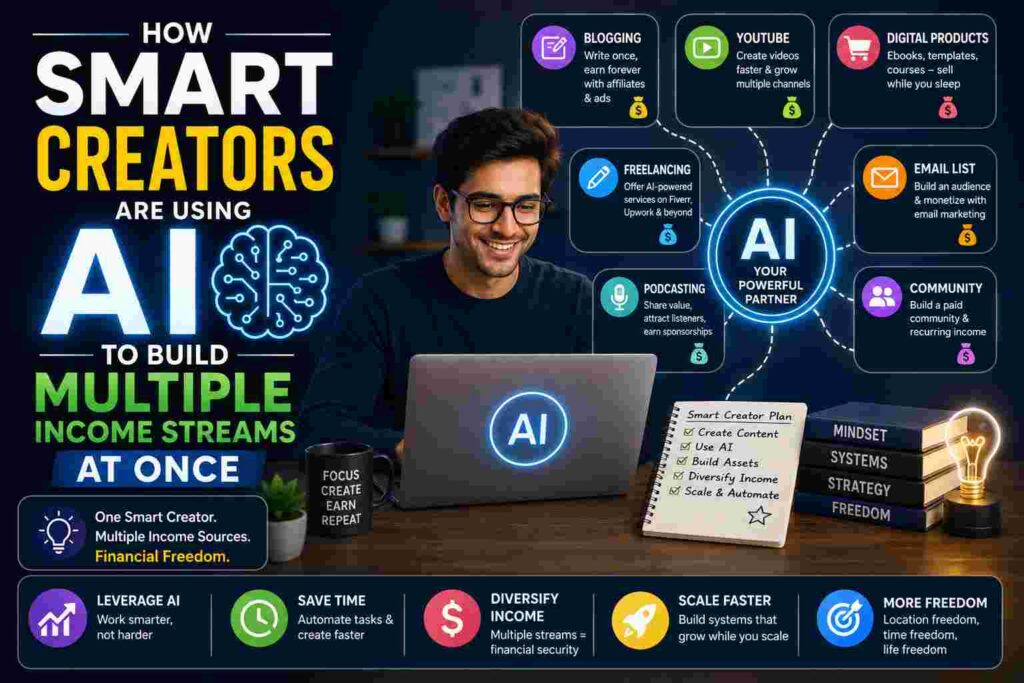
The creators actually succeeding at multiple income streams aren’t building five separate businesses. They’re building one core content engine and letting AI help them extend it into multiple revenue directions from the same effort.
That reframe changes everything about how you approach this.
The Core Engine Concept
Here’s the model that clicked for me when I finally understood it.
You pick one primary content format — a blog, a newsletter, a podcast, a YouTube channel — and you create genuinely useful content consistently in that format. That’s your engine. Everything else feeds from it.
AI doesn’t replace the engine. It helps you run multiple revenue streams off the same engine without needing a team.
Let me make this concrete.
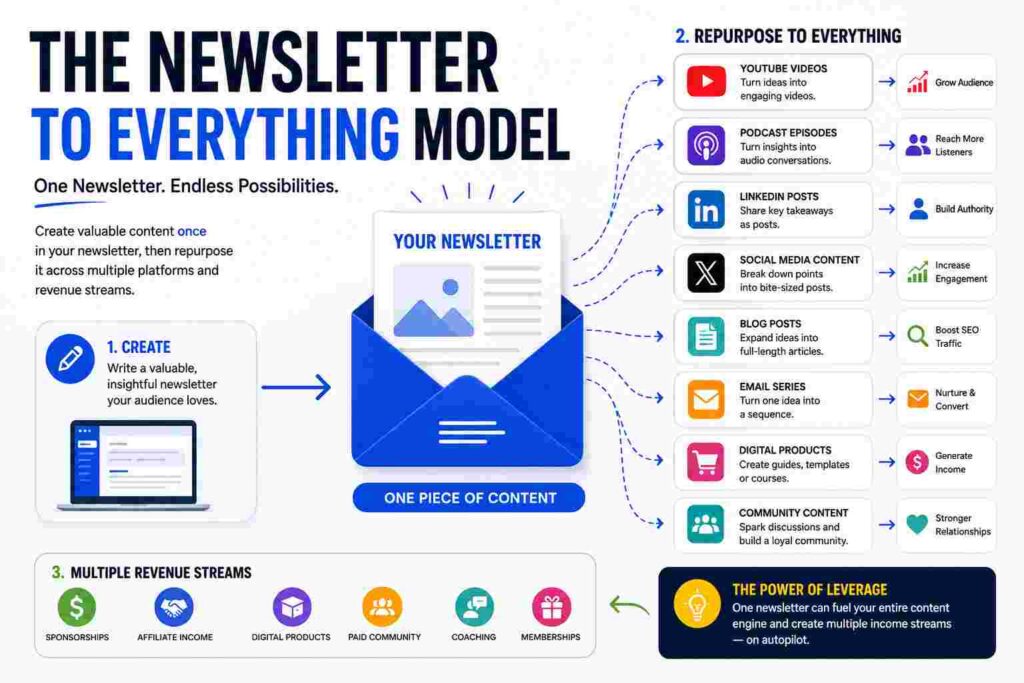
Say your engine is a weekly newsletter about personal finance for freelancers. From that single piece of weekly content, AI can help you simultaneously run a blog that repurposes each newsletter into an SEO article, a Twitter and LinkedIn presence built from newsletter excerpts, a digital product shop selling templates and guides based on your most popular topics, an affiliate marketing section recommending tools you genuinely use, and eventually a paid newsletter tier for your most engaged readers.
One engine. Multiple revenue directions. AI handling the distribution and repurposing work that would otherwise require a full content team.
How Creators Are Actually Doing This — Real Scenarios
The Newsletter to Everything Model
One creator I follow closely started with a weekly newsletter about productivity for remote workers. Single topic, single format, consistent weekly schedule.
Using AI tools he now repurposes each newsletter into a LinkedIn article, three to five tweets, a blog post optimized for SEO, and short-form content for Instagram. The actual new thinking happens once a week in the newsletter. Everything else is AI-assisted repurposing that takes maybe two additional hours.
Revenue comes from four directions. Sponsorships in the newsletter itself. Affiliate commissions from tools he recommends. A $29 digital template pack he sells through Gumroad. And AdSense revenue from the blog getting organic search traffic.
None of those four revenue streams required building something completely separate. They all grew from the same weekly content habit.
The YouTube to Course Model
A creator in the personal investing space built a YouTube channel around beginner investing concepts. Consistent upload schedule, genuine expertise, no gimmicks.
She used AI to help her identify which of her videos were getting the most watch time and engagement, then used that data to understand what her audience was most hungry to learn. The topics that consistently outperformed became the curriculum for a $197 online course she built using the same content themes.
AI tools helped her write the course outline, generate first drafts of lesson scripts, create the workbook materials, and write the email sequence promoting the launch.
The YouTube channel continues running as a free traffic source that feeds paid course sales. The course revenue is now larger than her AdSense income from the channel itself.
The Freelancer to Productized Service to Digital Product Pipeline
This one is closest to my own experience.
Started as a freelance writer. Used AI to get faster and more efficient, which freed up time to start a blog documenting what I was learning. The blog built an audience. That audience told me what problems they were struggling with. I turned the solutions into a $39 digital guide sold through Gumroad.
The guide income is modest — a few hundred dollars a month — but it’s completely passive. The blog generates AdSense revenue. The freelance work still pays the main bills. Three income streams, all connected, all growing from the same knowledge base.
AI made this possible by handling the parts that used to eat all my available time — content research, first drafts, SEO optimization, social media repurposing. The creative and strategic work is still mine. The mechanical work is largely automated.
The AI Tools Making This Possible
Claude and ChatGPT for content repurposing, first drafts, outlines, email sequences, and product descriptions. These are the workhorses. The key is learning to prompt them well — vague prompts give generic output, specific detailed prompts give genuinely useful starting material.
Descript for anyone creating audio or video content. It turns your recordings into text you can edit like a document, makes clipping highlight moments fast, and dramatically reduces the time spent on post-production.
Notion AI for organizing your content operation. I use it to store all my content ideas, track what’s been repurposed where, and plan my editorial calendar. The AI features help me flesh out ideas and spot content gaps.
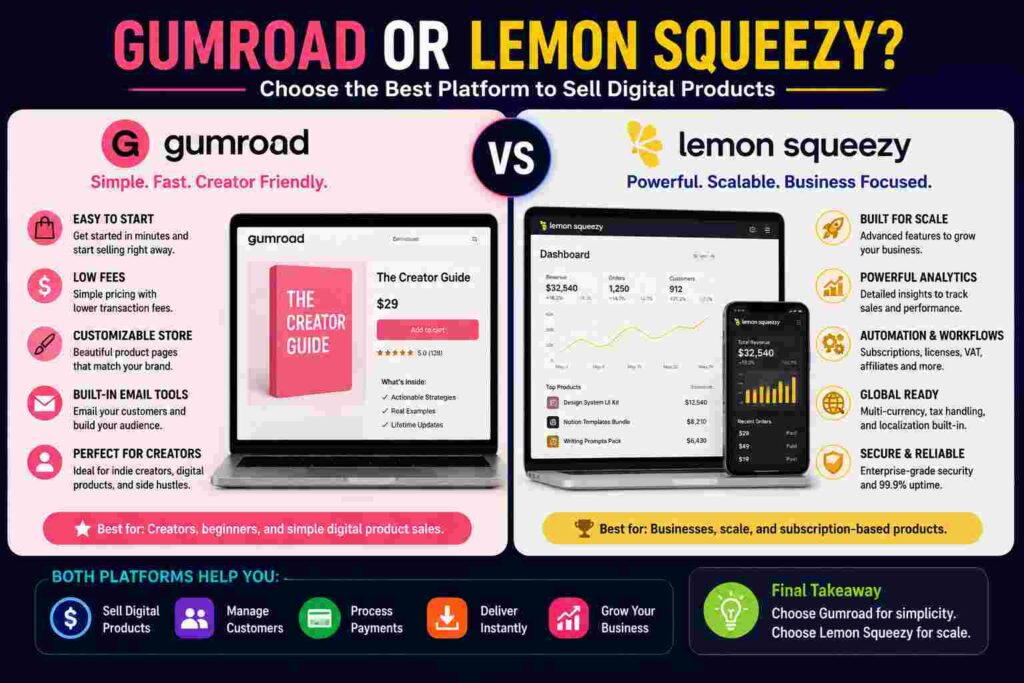
Gumroad or Lemon Squeezy for selling digital products. Both platforms handle payment processing, delivery, and basic email collection without monthly fees. Perfect for creators testing their first digital product without big upfront costs.
Beehiiv or ConvertKit for newsletters. Both have solid free tiers and make it straightforward to grow an email list — which is the most valuable asset any creator can own because it doesn’t depend on any platform’s algorithm.
Zapier or Make for connecting everything. When a new subscriber joins your newsletter, Zapier can automatically add them to a welcome sequence, tag them based on where they came from, and notify you in Slack. The automation possibilities are enormous once you start thinking in systems.
Step-by-Step: How to Build Your First Multi-Stream Setup
This isn’t something you do in a week. Here’s the realistic progression.
Step 1: Pick your primary content format and commit to it for six months
Blog, newsletter, podcast, or YouTube channel — pick one based on how you naturally communicate and what you can sustain. If you hate writing, don’t start a blog. If you’re uncomfortable on camera, don’t force YouTube. Consistency over six months matters more than picking the perfect format.
Step 2: Create consistently before monetizing
Spend the first two to three months just creating and learning what your audience responds to. Don’t launch products or chase sponsorships yet. You need data — which topics get the most engagement, what questions keep coming up, what your audience actually wants help with.
Step 3: Add the first passive revenue layer
Once you understand what your audience values, add affiliate links to tools and products you genuinely use and recommend. This requires zero product creation and can start earning before you have a large audience. Even a few hundred engaged readers can generate meaningful affiliate income if the recommendations are relevant and trusted.
Step 4: Use AI to start repurposing your content
Take your existing content and use AI to help you adapt it for one additional platform. Newsletter to blog post. Blog post to LinkedIn article. Podcast episode to Twitter thread. Don’t try to be everywhere at once — add one new platform at a time and build the repurposing workflow before adding the next.
Step 5: Create your first digital product from your most popular content
Look at your analytics. Which posts, episodes, or emails got the most engagement and the most follow-up questions? That’s your first product topic. Use AI to help you structure the content, write the copy for the sales page, and draft the email sequence announcing it.
Start simple. A $19 to $49 template pack, checklist bundle, or short guide is easier to create and easier for your audience to buy than a $300 course. Validate demand at a low price point before investing in something bigger.
Step 6: Build toward a recurring revenue component
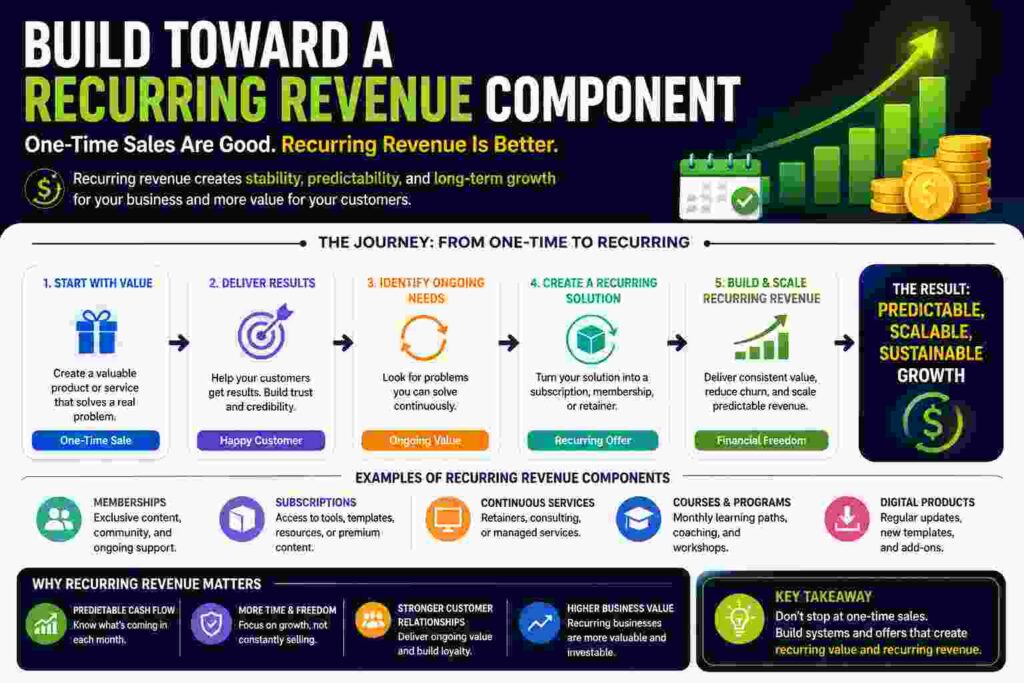
Sponsorships, a paid newsletter tier, or a monthly membership — recurring revenue is what changes the financial stability of a creator business. Once you have a proven audience and proven content, explore one recurring revenue option that fits your model.
AI helps enormously here with proposal writing for sponsorships, setting up the infrastructure for paid tiers, and creating the ongoing content that justifies a monthly subscription.
Mistakes That Slow Everything Down
Trying to be on every platform simultaneously. Spreading thin means nothing gets good enough to gain traction. One platform done well beats five platforms done poorly every time.
Building income streams that have nothing to do with each other. If your newsletter is about cooking and you’re also trying to sell coding templates and run a travel blog, you have three separate businesses not three income streams. Everything should serve the same audience with the same core expertise.
Over-automating before you understand what works. AI and automation are most valuable once you know what’s actually resonating with your audience. Automating the wrong content faster just gets you to failure faster. Do things manually first, understand what works, then systematize.
Treating digital products as set and forget. Your first digital product will probably need updates as your audience’s needs evolve and as you learn more. Build in a habit of reviewing and improving your products every six months.
Neglecting your email list while chasing social media followers. Social platforms change algorithms, restrict reach, and occasionally disappear. Your email list is the only audience you actually own. Everything else should funnel toward growing it.
What This Actually Looks Like After Two Years
I want to give you a realistic picture of where consistent effort with these strategies can take you — not a best-case scenario, just what building steadily looks like.
After two years of working this model my income comes from five directions. Freelance client work is still the largest portion. Blog AdSense revenue from organic search traffic adds a consistent monthly base. A digital guide on Gumroad brings in passive income that varies month to month. Affiliate commissions from tools I recommend in my newsletter are small but growing. And occasional sponsored content in the newsletter when the fit is right.
None of these are huge individually. Together they create something that feels fundamentally different from where I started — more stable, more interesting, and growing in a way that a single income source never did.
The AI tools didn’t build this for me. They removed the time bottlenecks that would have made running multiple streams impossible alongside everything else in my life. That distinction matters.
You still have to show up. You still have to create things worth reading or watching or buying. You still have to understand your audience well enough to serve them genuinely.
AI just means you don’t have to choose between doing that well and having a life outside of it.
Income results vary significantly based on niche, consistency, audience size, and individual effort. Building multiple income streams takes time — approach it as a long-term project, not a quick fix.